
Liquid Cooling
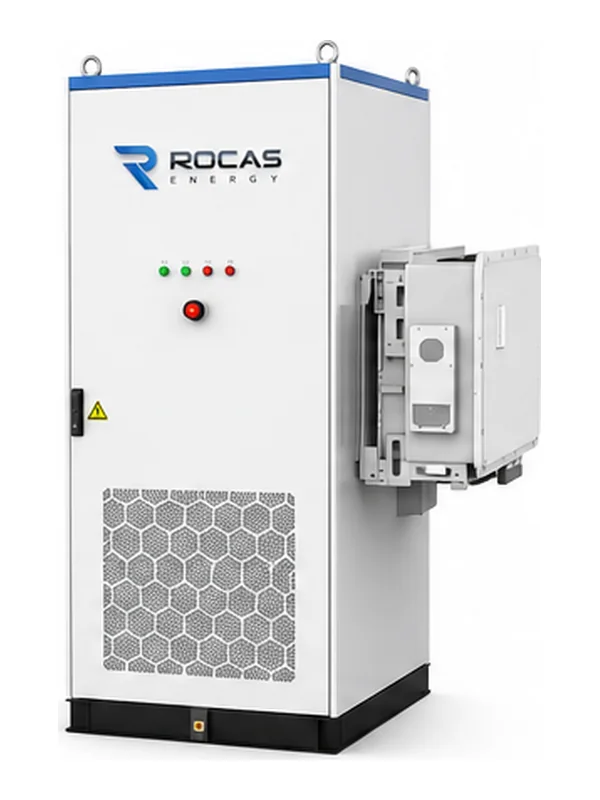
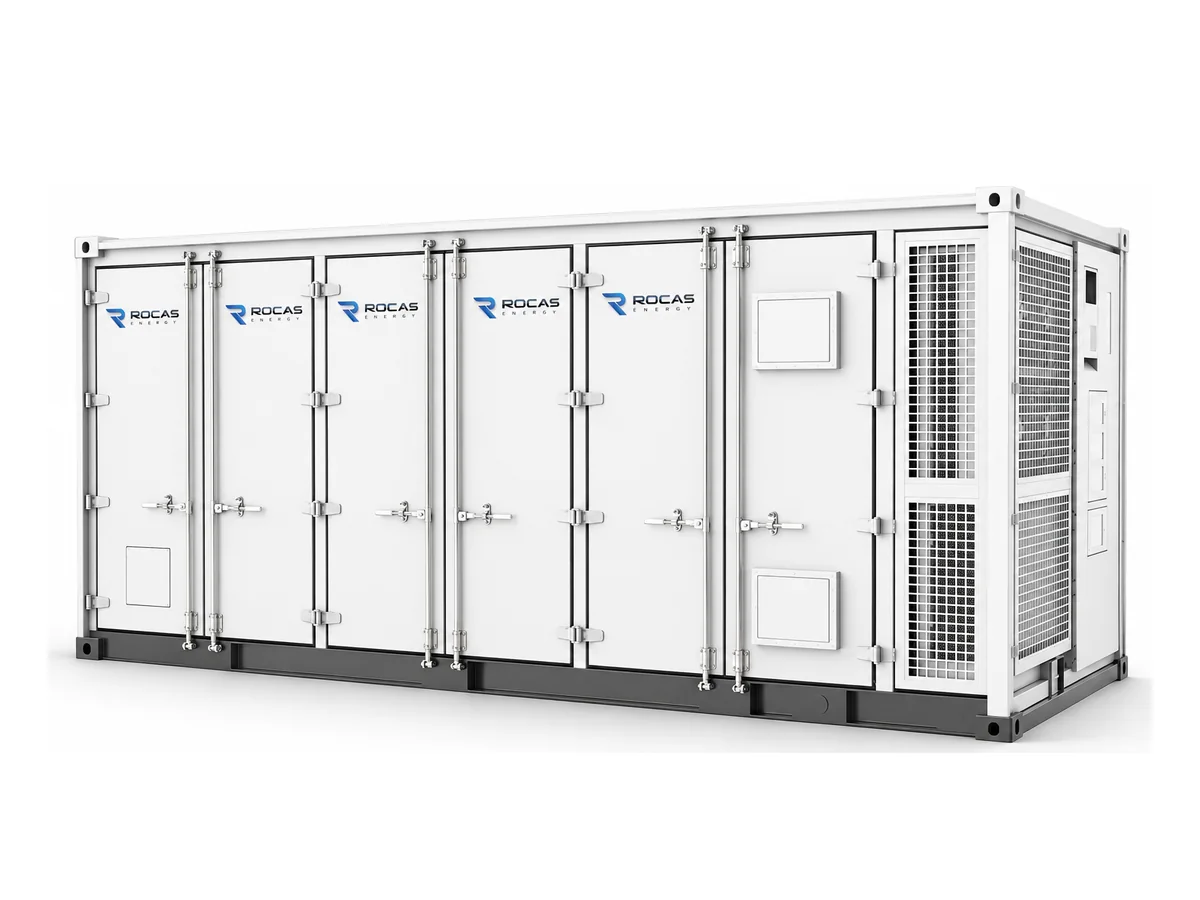
Cold-plate liquid cooling with a water-glycol circuit: an established architecture for commercial and industrial cabinets and utility-scale containers.
How cold-plate liquid cooling works
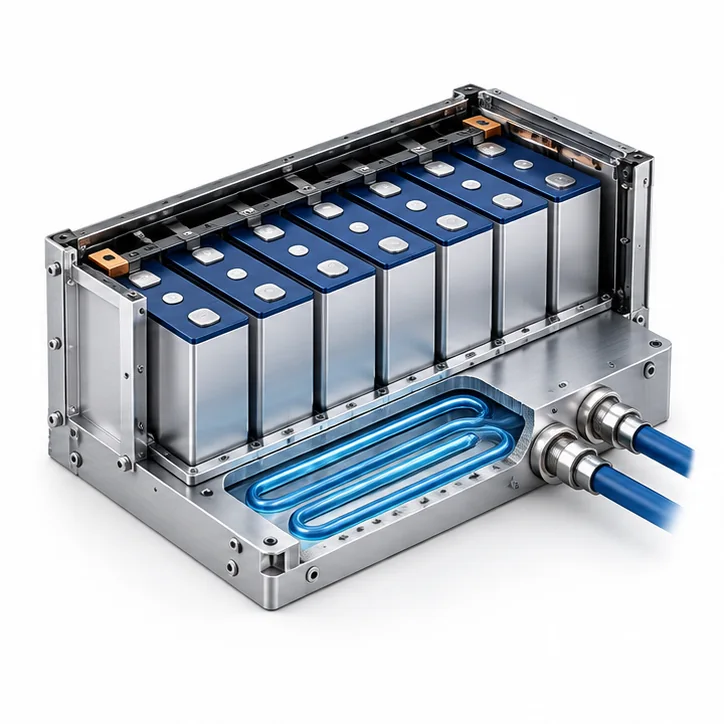
The cells are mounted against cooled plates. A water-glycol coolant flows through the plates and carries the heat to a chiller; in the ROCAS containers the coolant is a 50% ethylene glycol mix. The coolant never touches the cells, so heat travels from the cell through a thermal interface into the plate.
- Established architecture with a broad supplier base
- Compact cabinets with integrated PCS, EMS, BMS and fire protection
- Contact quality and flow distribution decide temperature uniformity
- Service focus: coolant, pumps, seals and circuit integrity
Datasheets
One portfolio with all liquid-cooled systems, or the individual datasheet for each model. All files are in English.
- Liquid Cooling portfolio, all 10 systemsPDF, English, 2.1 MB
- ROCAS 215 HybridPDF, English, 490 KB
- ROCAS 261 ACPDF, English, 432 KB
- ROCAS 522 ACPDF, English, 452 KB
- ROCAS 215 ACPDF, English, 431 KB
- ROCAS 241 ACPDF, English, 435 KB
- ROCAS 418 ACPDF, English, 419 KB
- ROCAS 126 SodiumPDF, English, 398 KB
- ROCAS 5.015MWh, 5 MWh Battery ContainerPDF, English, 687 KB
- ROCAS 3.34MWh, 3.34 MWh Battery ContainerPDF, English, 688 KB
- ROCAS 2MWh, 2 MWh Battery ContainerPDF, English, 682 KB
Discuss your project with ROCAS.
Power, capacity, site and timeline are enough to start. We reply with the right configuration and next steps.